

When it comes to making your home more energy-efficient and comfortable, proper loft insulation is a crucial factor. One of the most common questions homeowners ask is, “How thick should loft insulation be?” In this post, we’ll delve into the world of loft insulation depths, exploring current recommendations, various materials, and the factors that influence the ideal thickness for your home.
Understanding Loft Insulation Thickness Requirements
In the UK, building regulations have evolved over the years to improve energy efficiency in homes. Currently, the government recommended thickness for loft insulation is 270mm, as per the latest building regulations. This thickness is designed to achieve a U-value of 0.16 W/m²K, which is considered optimal for preventing heat loss through the roof.
It’s worth noting that this 270mm recommendation applies to new builds and major renovations. If you’re looking to upgrade or top up your existing loft insulation, increasing your insulation thickness can lead to significant energy savings and improved comfort in your home.
The concept of U-values is essential when discussing insulation thickness. A U-value measures how effective a material is as an insulator. The lower the U-value, the better the material is at insulating. The current target U-value of 0.16 W/m²K for loft insulation ensures that your home retains heat effectively, reducing energy consumption and lowering heating bills.
Recommended Loft Insulation Thicknesses by Material
Different insulation materials have varying thermal properties, which means the thickness required to achieve the target U-value can differ. Let’s explore some common loft insulation materials and their recommended thicknesses:
Blanket or Roll Insulation
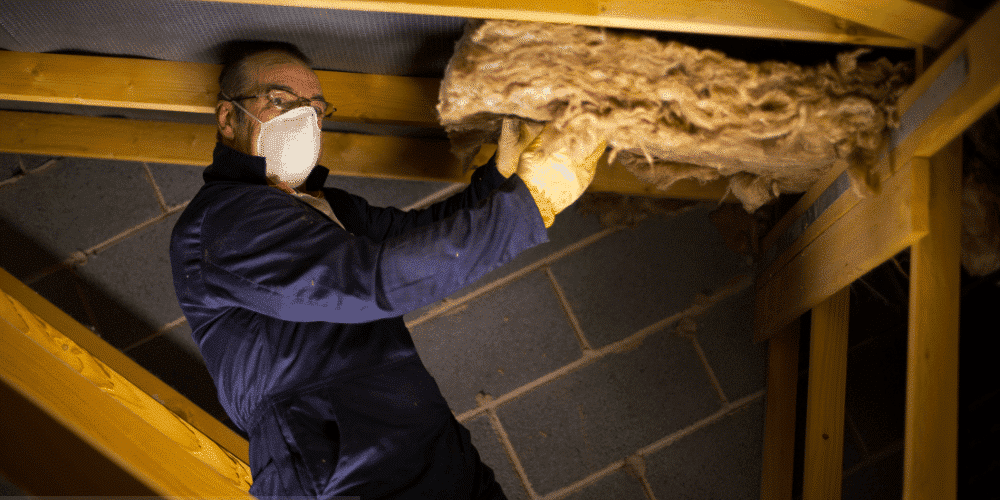
This is the most common type of loft insulation, typically made from mineral wool or glass wool. For these materials, the recommended thickness is indeed 270mm. This can often be achieved by laying two layers, for example, a 100mm layer between the joists and a 170mm layer over the top.
Loose-Fill Insulation
Made from materials like cellulose fibre, mineral wool, or even recycled newspaper, loose-fill insulation is excellent for topping up existing insulation or insulating awkward spaces. The recommended depth for loose-fill insulation is also around 270mm to achieve the desired U-value.
Insulation Boards
Rigid insulation boards, often made from materials like polyisocyanurate (PIR), can achieve the required U-value at a lower thickness than traditional blanket insulation. Generally, about 150mm of PIR board insulation can provide the same level of insulation as 270mm of mineral wool.
Factors Affecting Loft Insulation Thickness
Whilst the 270mm recommendation is a good starting point, several factors can influence the ideal insulation thickness for your loft:
Type of Loft Space
If you’re insulating a ‘cold’ loft (where the insulation is laid at joist level and the loft space remains unheated), the 270mm recommendation applies. However, if you’re creating a ‘warm’ loft (where the insulation follows the pitch of the roof), you might need a different approach, potentially using a combination of materials to achieve the required U-value while maintaining adequate headroom.
Existing Insulation Levels
If your loft already has some insulation, you might not need to add the full 270mm. Measure your existing insulation and top it up to reach the recommended level. For instance, if you have 100mm of existing insulation in good condition, you might only need to add another 170mm to reach the optimal thickness.
Climate Considerations
While the 270mm recommendation is standard across the UK, homes in particularly cold regions might benefit from additional insulation. Conversely, in milder areas, the standard thickness might be more than adequate.
Energy Efficiency Goals
If you’re aiming for an exceptionally energy-efficient home, you might choose to exceed the recommended thickness. However, it’s important to note that there are diminishing returns beyond a certain point, and over-insulating can lead to issues with ventilation and moisture control.
Installing the Right Thickness of Loft Insulation
When it comes to installing loft insulation, accuracy is key. Here’s how to ensure you’re adding the right amount:
- Measure your existing insulation: Use a tape measure to check the depth of any insulation already present in your loft.
- Calculate additional insulation needed: Subtract your existing insulation depth from 270mm to determine how much more you need to add.
- Consider layering: If you’re using blanket insulation, it’s often easier to achieve the full depth by layering. For example, you might lay 100mm between the joists and then cross-layer with 170mm on top.
- Don’t forget hard-to-reach areas: Ensure you insulate around the edges of the loft and any awkward spaces. Loose-fill insulation can be particularly useful for these areas.
- Maintain ventilation: Always ensure there’s adequate ventilation in your loft to prevent condensation and moisture build-up. Leave a gap of about 50mm at the eaves for air to circulate.
Benefits of Proper Loft Insulation Thickness
Investing in the right thickness of loft insulation can bring numerous benefits:
- Energy Savings: Proper insulation can significantly reduce heat loss through your roof, leading to lower energy consumption.
- Cost Reductions: With improved energy efficiency comes reduced heating bills. The Energy Saving Trust estimates that proper loft insulation can save you up to £315 per year on energy bills.
- Improved Home Comfort: Well-insulated lofts contribute to more stable indoor temperatures, making your home more comfortable year-round.
- Environmental Impact: By reducing your energy consumption, you’re also lowering your carbon footprint, contributing to a more sustainable future.
Common Questions About Loft Insulation Thickness
Can loft insulation be too thick?
While it’s rare, it is possible to over-insulate a loft. Excessive insulation can lead to poor ventilation, potentially causing condensation and mould issues. It’s crucial to maintain proper ventilation and follow recommended guidelines.
How do I insulate a loft with limited headroom?
If headroom is an issue, consider using insulation boards, which provide excellent insulation at a lower thickness.
Should I top up existing insulation or replace it entirely?
If your existing insulation is in good condition and free from damp or mould, topping it up is usually sufficient. However, if the insulation is old, compressed, or damaged, it’s often best to remove it and start fresh.
Maintenance and Long-term Considerations
Once you’ve installed your loft insulation to the proper thickness, it’s important to maintain it:
- Periodically check the insulation depth to ensure it hasn’t settled or been compressed
- Look out for signs of damp or mould, which could indicate ventilation issues
- If you’re storing items in your loft, use boarding to prevent compressing the insulation
Remember, insulation is a long-term investment in your home’s energy efficiency. With proper installation and maintenance, it should continue to perform effectively for many years.
Conclusion
The recommended thickness for loft insulation in the UK is 270mm, but this can vary depending on the material used and specific circumstances of your home. By ensuring your loft is properly insulated to the correct depth, you’re taking a significant step towards a more energy-efficient, comfortable, and cost-effective home.
Whether you’re topping up existing insulation or starting from scratch, understanding the importance of insulation thickness is crucial. Remember, while the upfront cost might seem significant, the long-term savings on your energy bills and the increased comfort in your home make it a worthwhile investment.
If you’re unsure about the best approach for your loft, don’t hesitate to consult with Home Counties Loft Ladders. If you’re in the Hertfordshire, Bedfordshire, Buckinghamshire, Northampton, Oxford, Cambridge or North Middlesex region, we can assess your specific situation and provide tailored advice to ensure you achieve optimal insulation for your home.